United States luxury travel rewards the traveler who resists the typical itinerary. Most clients have been to New York, maybe Las Vegas, possibly Disney. They assume they know what it offers but they're usually wrong about its depth.
The American West could absorb years of serious attention. October in New England is one of the more underrated travel experiences on the continent. The Deep South has food and music that will reroute your cultural assumptions. A drive up the Pacific Coast rewards patience in ways a flight never could.
This is a country of extreme geographic and cultural variation. If you treat it as one destination, you’ll miss most of what it has to offer.
I've planned United States luxury travel itineraries that rival anything abroad. The American Southwest, done properly, is genuinely world-class. So is coastal Maine in September, the Willamette Valley in harvest season, and the Florida Keys in March. The range is the point. Build a trip around a specific region, a clear purpose, a particular season and the country opens up in ways that surprise those who were born and raised here.
Getting Started
Begin planning your customized trip today. Call Breakout Travel Co. or schedule a consultation.
United States Luxury Travel at a Glance
The United States covers 3.8 million square miles across six time zones. That scale is easy to underestimate. A week in the American Southwest, places like Sedona, the Grand Canyon, Monument Valley, Zion, is a completely different journey than a week in the Pacific Northwest. Both are the United States but what you experience is unique.
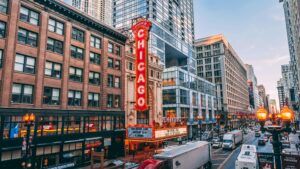
For United States luxury travel, the country delivers across every category: world-class culinary destinations (New York, Chicago, New Orleans, San Francisco, Charleston), national parks with serious expedition infrastructure, private wine country experiences in Napa and Willamette Valley, and coastal access that ranges from the barrier islands of Georgia to the lava fields of Kauai. The country punches well above its weight for active, food-forward, and culturally specific travel.
The best way to see the United States well is to commit to a region. Resist the urge to cover too much ground in too little time.
Travel Offerings
- Custom Private Travel
- Small Group Travel
- Fully Guided Experiences
- Rail Journeys [→ internal link: Rail Journeys page]
- High-end Gastronomy & Wine
- National Park Expeditions
- LGBTQ+ Travel
- Coastal & Island Travel


Travel Guide
- International visitors from most countries qualify for ESTA (Electronic System for Travel Authorization) or a standard B-2 tourist visa depending on country of origin.
- Currency is USD.
- Tipping is standard — 18–20% at restaurants, $1–2 per bag for hotel staff, $5–20/day for guides.
- Cell coverage is excellent in urban areas and most major national parks, though remote areas of the Southwest and Alaska can drop off.
- Domestic flights cover distance efficiently; Amtrak is a strong option for regional itineraries in the Northeast Corridor and along the California Coast.
- The American Southwest commands a trip of its own — Grand Canyon South Rim at sunrise, Antelope Canyon by guided tour, Monument Valley at dusk, Arches National Park in early morning before the crowds arrive.
- The Northeast in fall is worth planning around: Vermont's Northeast Kingdom, coastal Maine (Portland's food scene has quietly become one of the best in the country), and the Hudson Valley.
- New Orleans deserves three days minimum — the French Quarter is the obvious start, but the music venues on Frenchmen Street and the restaurant culture in Bywater are where the city comes to life.
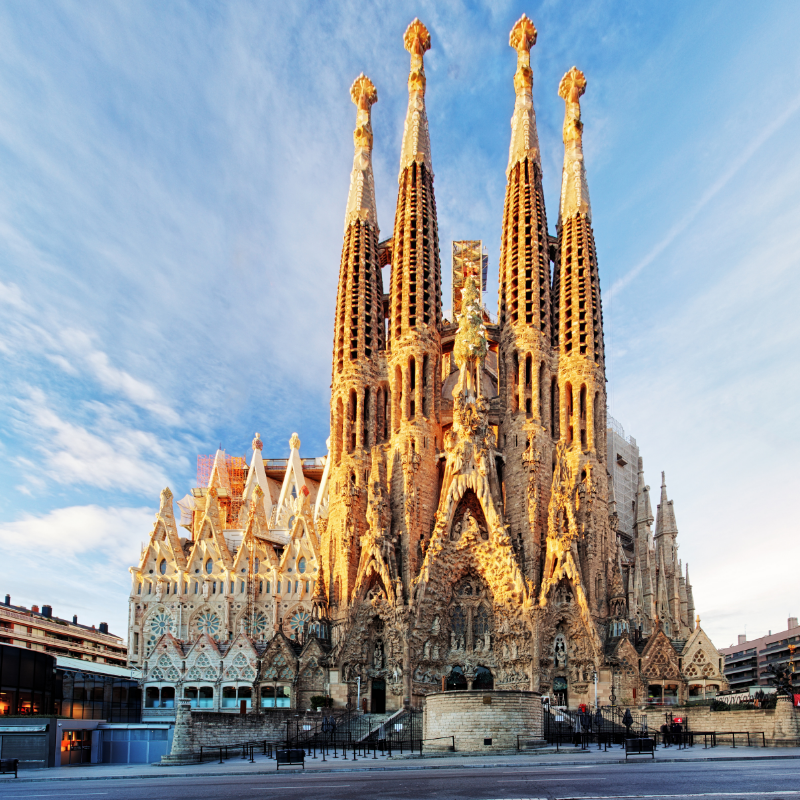
- Savannah and Charleston together make a three-day Southern pairing that consistently surprises first-time visitors.
- And many more…
The United States is broadly welcoming for LGBTQ+ travelers, with legal protections and strong communities in major metropolitan areas including New York, Los Angeles, San Francisco, Chicago, New Orleans, Miami, and Seattle.
- Pride events run year-round across the country.
- Some rural areas and certain Southern states present a more conservative social environment — this varies considerably by county and town rather than by state.
- For United States luxury travel planning purposes, major urban destinations and resort areas are reliably welcoming.
Regional variation makes a single "best time" answer impossible.
- American Southwest: September–November and March–May (avoid summer heat at the Grand Canyon, which regularly exceeds 110°F on the canyon floor).
- New England: September–October for fall foliage; June–August for coastal Maine.
- The Southeast: October–April.
- The Pacific Coast: May–October. Pacific Northwest: June–September. Ski destinations (Colorado, Utah, Vermont): December–March.
7-Day Itinerary
American Southwest — 7 Days
Day 1 — Arrive Phoenix/Sedona
Fly into Phoenix Sky Harbor. Drive two hours north to Sedona. Afternoon arrival; settle and acclimatize. Sedona sits at 4,350 feet — the altitude is mild but noticeable if coming from sea level. Walk the Tlaquepaque Arts & Shopping Village in the early evening; the town quiets quickly after 8 p.m.
Day 2 — Sedona
Cathedral Rock trail at sunrise — the light on the red formations before 7 a.m. is the best version of Sedona. Mid-morning: Slide Rock State Park. Afternoon: drive the Red Rock Scenic Byway. Evening in town.
Day 3 — Grand Canyon South Rim
Two-hour drive north on Route 89A through Oak Creek Canyon. Arrive at Grand Canyon South Rim before noon. Bright Angel Trail for 1.5 miles down and back (do not attempt a rim-to-river descent without proper preparation and permit). Sunset from Mather Point or Yavapai Geology Museum overlook.
Day 4 — Monument Valley / Page
Drive northeast through the Navajo Nation. Monument Valley Navajo Tribal Park — book a Navajo-guided jeep tour through the buttes (this is not optional; the guided perspective changes what you're looking at). Drive to Page, Arizona. Evening.
Day 5 — Antelope Canyon / Horseshoe Bend
Upper Antelope Canyon by guided tour — book the first or last tour of the day for the best light shafts. Horseshoe Bend overlook (15-minute walk from the parking lot; worth every step). Drive toward Zion.
Day 6 — Zion National Park
The Narrows: hike the Virgin River gorge from the bottom up. Start by 7 a.m. to beat the crowds — the canyon walls are 2,000 feet high and only 20–30 feet wide at points. Angels Landing via chain route (strenuous; 1,488-foot elevation gain) for those comfortable with exposure. Canyon Overlook Trail is a shorter, equally rewarding option.
Day 7 — Depart Las Vegas
Three-hour drive west from Zion to Las Vegas. Fly home from Harry Reid International.